
Disclosure: This guide contains one affiliate link and a discount code. If you buy through them, She Chooses Well may earn a commission at no extra cost to you. Capelin Crew prices were checked on 13 November 2026 and are shown in CAD as displayed on the store’s default storefront; the site converts to your local currency at checkout.
The fastest way to ruin a first snowboarding trip is not falling. You will fall, everyone does. It is being cold, wet and sweaty at the same time, usually because of a cotton hoodie under a jacket that was never meant for snow. The good news is that dressing well for the mountain is not about buying the most expensive kit. It is about understanding layers, a few numbers on the label, and which small accessories make the biggest difference.
This guide covers exactly what to wear snowboarding as a woman, from the layer against your skin to your socks and mittens, how to read waterproof ratings, whether to choose bibs or pants, and how to build a full outfit on a sensible budget.
The three-layer system, explained simply
Every good snow outfit is built from three layers. Each has a separate job, and getting any one of them wrong affects the others.
1. Base layer: the one most beginners get wrong
Your base layer sits against your skin and has one job: move sweat away so you stay dry. Snowboarding is hard work, especially on day one when you are getting up from the snow every few minutes. Cotton soaks that sweat up and holds it, and once you stop moving on a chairlift, wet cotton makes you cold fast.
Choose merino wool or a synthetic base layer instead. Merino is softer, regulates temperature well and resists odour, so you can wear it for more than one day. Synthetic dries faster and is usually cheaper. For a deeper look at fabrics, weights and fit, see our merino base layer guide for women. You want a close but not tight fit, a top and leggings, and nothing bulky.
2. Mid layer: your temperature dial
The mid layer traps warm air. A fleece jacket is the most versatile choice; on very cold days a light synthetic or down jacket works too. This is the layer you change based on the forecast: a thin fleece on a mild spring day, a thicker one or two layers in deep winter. If your outer jacket is already insulated, you may need only a light mid layer, or none at all on warmer days.
3. Outer layer: jacket and pants
Your shell keeps snow, wind and wet out while letting sweat escape. This is where most of your budget goes, and where the numbers on the label matter.
How to read waterproof and breathability ratings
Snow jackets and pants usually list two numbers, such as 20,000 mm / 15,000 g.
| Waterproof rating | What it generally means | Good for |
|---|---|---|
| 5,000–10,000 mm | Handles dry snow and light moisture. | Cold, dry resorts; occasional beginners’ days. |
| 10,000–15,000 mm | Solid all-round protection for most resort riding. | Most people, most of the time. |
| 20,000 mm and above | High protection for wet snow, sleet, and lots of sitting in snow. | Wet climates, spring slush, beginners who fall a lot. |
The second number (grams) is breathability: how much moisture vapour can escape through the fabric in 24 hours. Higher is better if you run warm or ride hard. Also check for fully taped seams, which stop water creeping through stitching. “Critically taped” means only the main seams are sealed.
You will also see 2L and 3L. In a 3-layer (3L) fabric, the waterproof membrane is bonded between the outer fabric and a thin inner layer, which tends to be more durable and less clammy. 2-layer jackets usually have a separate hanging liner and are often cheaper.
Shell or insulated jacket?
- Insulated jacket: warmth built in. Simpler for beginners, great for cold resorts, but harder to cool down on mild days.
- Shell jacket: no insulation, so you control warmth with your mid layer. More versatile across seasons and also works as a rain jacket off the mountain.
If you will ride a few days a year in cold conditions, an insulated jacket is the easier choice. If you ride often or in changing conditions, a shell plus a good fleece gives you more range.
Bibs or pants?
Snowboarders spend more time sitting on snow than skiers: strapping in, waiting for friends, and (on day one) recovering from falls. That is why many women prefer bibs, which rise up over the chest with shoulder straps. They stop snow getting down your back, stay in place without a tight waistband, and feel warmer. The trade-off is that bathroom breaks take a little more work.
Regular snow pants are easier on and off, and a powder skirt inside your jacket can do much of the same job. Look for an adjustable waist, snow gaiters (inner cuffs that go over your boots), and thigh vents if you run hot.
The accessories that matter most
| Item | Why it matters | What to look for |
|---|---|---|
| Helmet | Non-negotiable, especially while learning. | Snow-sport certified; rent if it is a one-off trip. |
| Goggles | Glare, wind and flat light make it hard to see terrain. | Helmet-compatible; a lens suited to your usual light conditions. |
| Mittens or gloves | Your hands are in the snow constantly when learning. | Waterproof. Mittens are warmer because fingers share heat. |
| Socks | Bunched or wet socks cause most foot pain and cold toes. | One pair of thin-to-mid merino ski socks, over the calf. Never cotton, and do not double up. |
| Neck gaiter or face cover | Protects from wind on chairlifts. | Breathable fabric that does not fog goggles. |
| Wrist guards and padded shorts | Beginners tend to fall on wrists and tailbone. | Worth it for your first few days. |
What to wear by temperature
- Mild or spring days (around 0°C / 32°F and above): base layer and shell, possibly a very light mid layer. Open your vents.
- Typical winter days (−10 to 0°C / 14 to 32°F): base layer, fleece mid layer, and a shell or insulated jacket.
- Very cold days (below −10°C / 14°F): base layer, warm mid layer, insulated jacket, face cover, mittens, and hand warmers.
Common mistakes on a first snow trip
- Wearing jeans or leggings as pants. They soak through within minutes of sitting in the snow. Waterproof pants or a bib are essential, even if you rent everything else.
- Too many layers. Overheating on the first run, then freezing on the chairlift with damp layers, is the classic beginner cycle. Start slightly cool; you warm up fast.
- Two pairs of socks. It feels logical, but it creates pressure points and bunching in snowboard boots and can reduce circulation, which makes toes colder. One good pair is warmer.
- Tucking pants into boots. Snow pants go over your boots, with the inner gaiter around the boot, so snow cannot get in.
- Forgetting sun protection. Snow reflects a lot of UV, especially at altitude. Wear sunscreen and lip balm with SPF even on cloudy days.
- Cheap gloves. Thin, non-waterproof gloves are soaked within an hour of learning. Spend a little more here.
Building the outfit with Capelin Crew
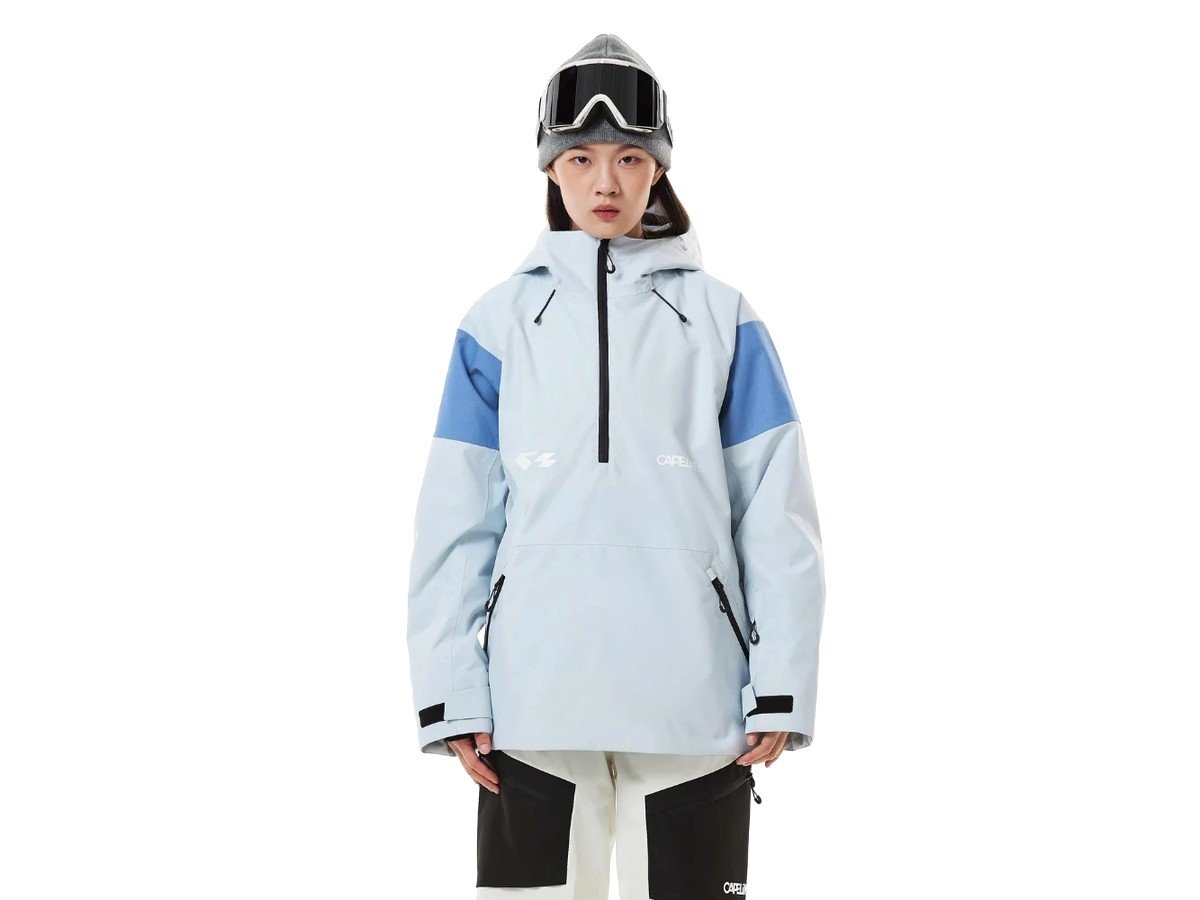
Capelin Crew is a snowboard and outdoor apparel brand founded in 2014 in the mountains of northern China, which expanded to North America and Europe from 2022 and has stores in Toronto, Taiwan and the Netherlands. Its look is bold colourways and relaxed snowboard fits, and it sells every layer of the outfit, from merino base layers to 3L shells and mittens. The brand says it uses PFAS-free water-repellent finishes, recycled polyester yarns and BSCI-certified manufacturing.
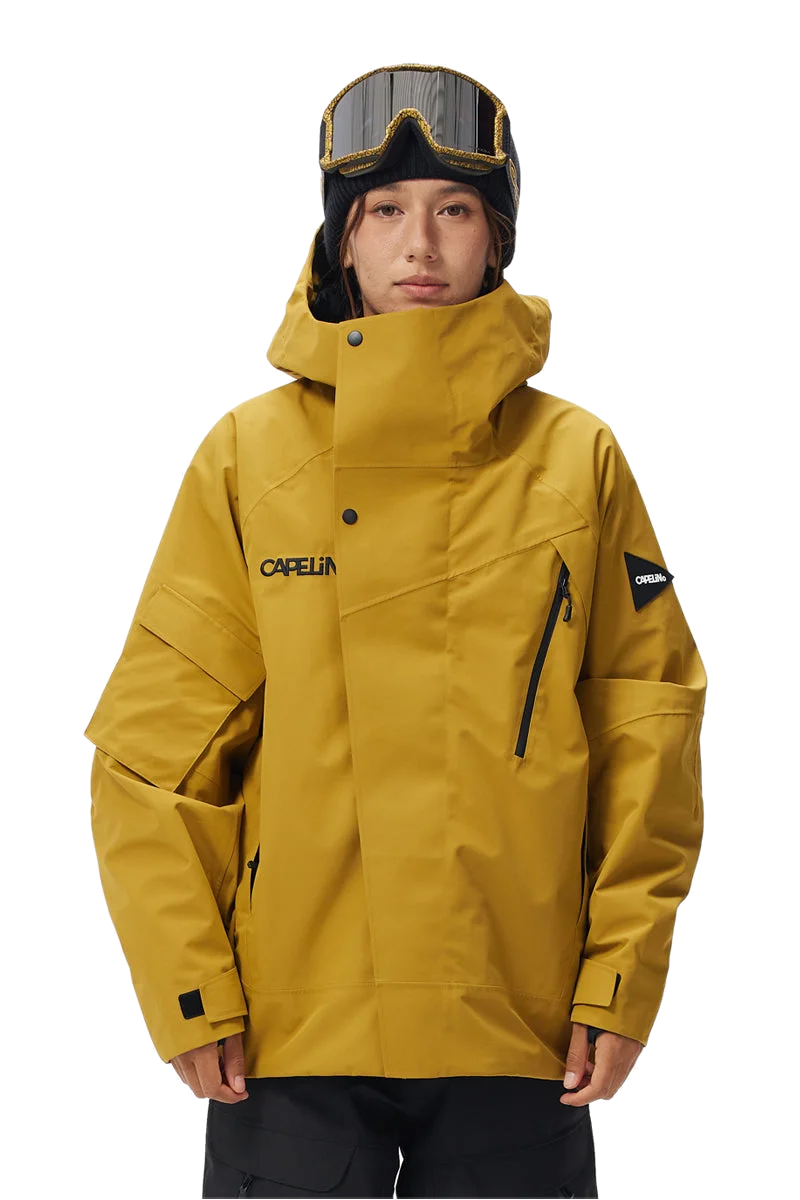
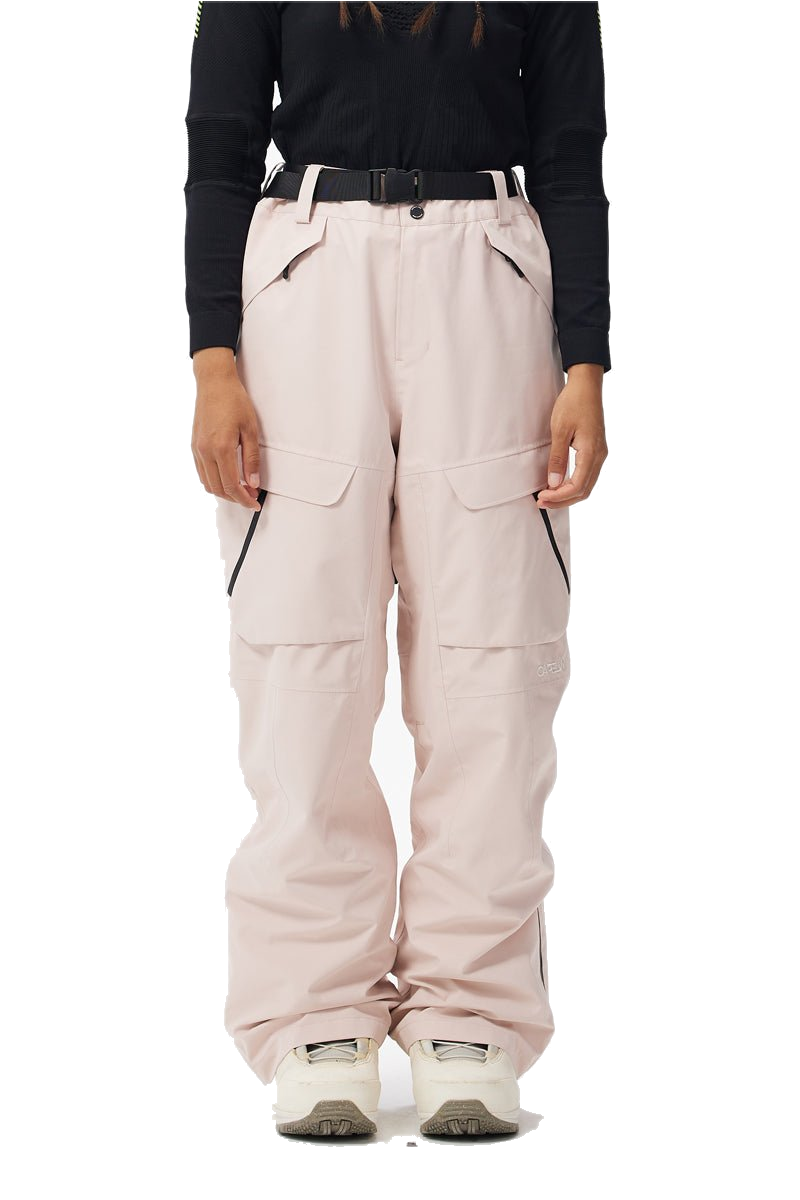
| Layer | Capelin Crew option | Key details (per Capelin Crew) | Price (CAD) |
|---|---|---|---|
| Base | Lume Women’s Merino Base Layer Top | Superfine merino blended with COOLMAX® fibres for warmth plus quick drying. | $99 |
| Base | Mulan Women’s Base Layer | Slim fit with ventilation panels and an odour-resistant finish. | $80 |
| Mid | Insulite Women’s Fleece | Double-brushed fleece; works as a mid layer or an everyday jacket. | $99 |
| Jacket (warmest) | Husk 3L Insulated Women’s Jacket | Fully seam-taped 3L shell, 3M™ Thinsulate™ insulation rated by the brand to about −20°C, PFAS-free finish, RECCO® reflector. | $349 |
| Jacket | Squall 3L Insulated Women’s Jacket | 3L fabric with Thinsulate™, taped seams, underarm vents, helmet-compatible hood and powder skirt. | $319 |
| Jacket (lighter) | Crag Women’s Jacket | 2-layer waterproof, breathable fabric, taped seams, light insulation in the core, thumbhole cuffs. | $319 |
| Pants | Morten 3L Women’s Pant | 3L TPU-laminated fabric, adjustable waist, snow gaiters, inner-thigh vents. | $259 |
| Bib | Vandor 3L Shell Women’s Bib | Waterproof, breathable 3L shell with fully taped seams; high bib and articulated knees. | $319 |
| Accessories | Ridge Thinsulate™ Mittens · SnowPaw Merino Socks · FORM Beanie · Face cover | Insulated mittens; over-the-calf merino snow socks. | $69 · $29 · $29 · $39.99 |
Many of Capelin Crew’s 3L pieces list ratings of 20,000 mm waterproofing and 15,000 g breathability, which puts them in the high-protection bracket from the table above. Ratings vary by product, so check the individual page for the item you choose.
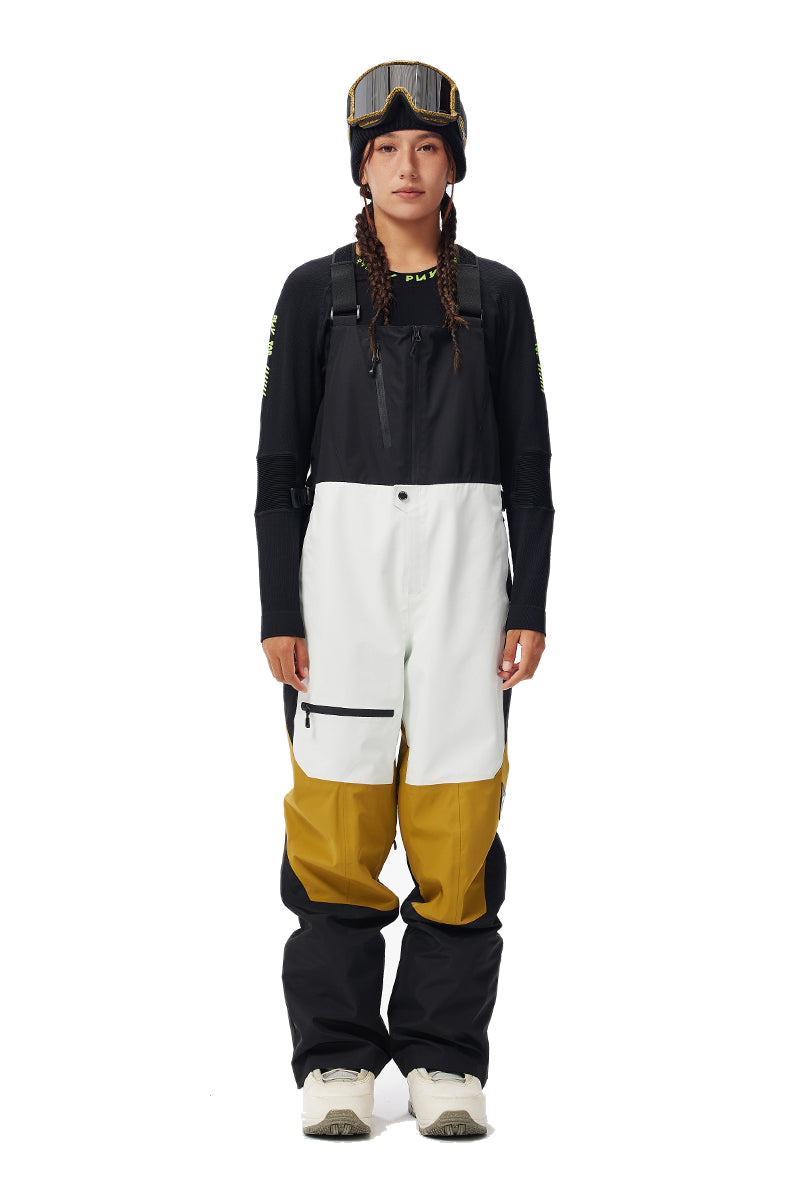
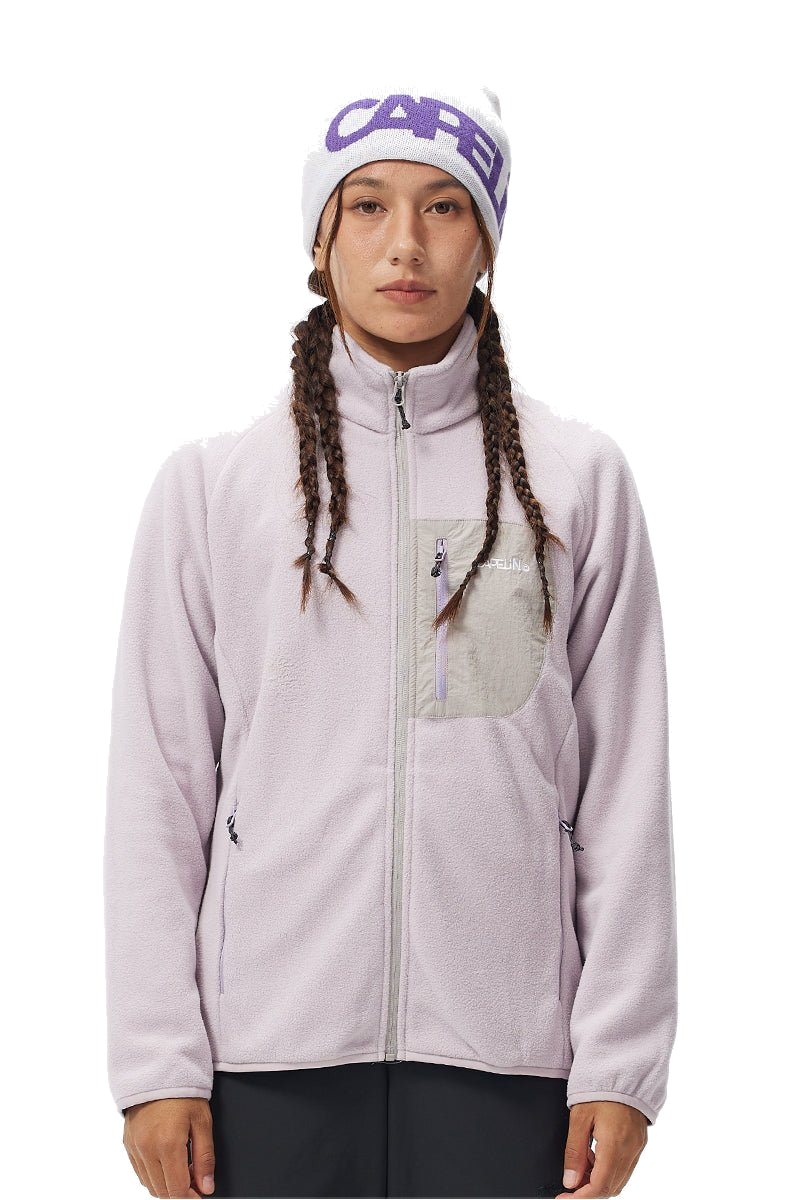
Three example outfits
- The cold-resort beginner: Lume merino top + Husk 3L Insulated jacket + Vandor bib + Ridge mittens + SnowPaw socks. Maximum warmth and snow protection for lots of sitting down.
- The all-season rider: Mulan base layer + Insulite fleece + Crag jacket + Morten 3L pant. Swap the fleece in or out depending on the day.
- The budget-first starter: Rent a helmet and goggles, buy a merino base layer, socks and mittens (the items that touch your skin), and invest in one good pair of waterproof pants or a bib. Add the jacket later.
What to know before ordering
- Few independent reviews yet. Capelin Crew’s Trustpilot profile had no reviews when we checked (13 November 2026), so there is little independent feedback to go on. Lean on the detailed specs and the return policy.
- Ships from China. Orders ship from the brand’s warehouse in China. Standard delivery to the US is listed as 6–12 business days and 10–15 to Canada, so order well before your trip. The brand says import duties and VAT are prepaid for you.
- Free shipping threshold. Standard shipping is free over about US$99 (the cart showed CAD $135); smaller orders pay a flat fee.
- Returns cost you postage. Unworn items in original packaging can be returned within 30 days, but you pay return shipping (the brand estimates about US$12 per jacket), and sale items are generally exchange or store credit only. Check the size guide carefully, since sizes run XS–XXL.
- Snowboard fits are relaxed. Jackets and pants are cut roomier than everyday clothing to fit layers and allow movement. Size for that, not for a fitted look.
How to buy Capelin Crew and save
- Use the code HELLO at checkout for 10% off.
- Buy the core pieces together (jacket and pants or bib) to clear the free-shipping threshold and avoid paying return postage twice if you need a size exchange.
- Compare against seasonal codes. When we checked, the site was running a pre-Black Friday promotion. Try HELLO and any sitewide offer at checkout and keep whichever gives the lower total, since codes usually cannot be combined.
- Order early. Allow at least two to three weeks before your trip for delivery and a possible exchange.
Enter HELLO in the discount field and confirm the 10% appears before you pay.
Shop Capelin Crew – code HELLO for 10% off
Sources
- Capelin Crew product pages, About page, shipping terms and return & exchange policy (capelin-crew.com), checked 13 November 2026.
- Capelin Crew profile on Trustpilot, checked 13 November 2026.
- General layering and waterproof-rating guidance based on common outdoor-industry standards; individual product ratings are as stated by the brand.