
Disclosure: This guide contains one affiliate link and a discount code. If you buy through them, She Chooses Well may earn a commission at no extra cost to you. Prices were checked on Evry Jewels’ US store on 13 November 2026 and are in USD.
“Waterproof”, “tarnish-free”, “hypoallergenic”, “18K gold”: affordable jewellery listings are full of reassuring words. Some are meaningful; some are marketing. The difference decides whether a necklace still looks golden after a summer of showers and swims, or turns your neck green by August.
This guide explains what the common metal terms actually mean, how long different finishes last, which materials are safest for sensitive skin, how to make plated jewellery last longer, and how to shop affordable jewellery with realistic expectations.
The metal terms, decoded
| Term | What it means | How long it lasts | Typical price |
|---|---|---|---|
| Solid gold (10K, 14K, 18K) | Gold alloy throughout; the karat shows purity (18K = 75% gold) | Decades; won’t wear through | High |
| Gold-filled | A thick layer of gold bonded to a base metal; much thicker than plating | Years with care | Medium |
| Vermeil | Gold plating over sterling silver, with a thicker minimum gold layer than standard plating (in the US) | A few years with care | Medium |
| Gold-plated | A thin layer of gold over a base metal such as brass, copper or stainless steel | Months to a couple of years, depending on thickness and wear | Low |
| PVD coating | Physical vapour deposition; a hard, thin coating bonded at a molecular level, often over stainless steel | Generally more durable than traditional plating | Low to medium |
| Stainless steel (316L) | A corrosion-resistant steel alloy, often used as a base for affordable “waterproof” jewellery | Very durable; doesn’t tarnish in normal use | Low |
The key point: “18K gold” on an inexpensive piece almost always describes the colour or purity of a thin plating, not the whole item. That’s fine, as long as you know what you’re buying.
What “waterproof” really means
When affordable jewellery is sold as waterproof, it usually means the base metal won’t rust or corrode and the coating is more resistant to water than older electroplating. It’s a big improvement over cheap brass jewellery that tarnished within weeks. But “waterproof” doesn’t mean “indestructible”:
- Chlorine and salt water are harsher than fresh water and can dull finishes over time.
- Friction wears plating faster than water does. Rings and bracelets lose finish first, because they rub against surfaces all day.
- Chemicals in perfume, sunscreen, hairspray and some lotions break down coatings.
Think of waterproof jewellery as “you don’t need to panic if you forget to take it off in the shower”, not “wear it to the pool every day for years”.
Why cheap jewellery used to tarnish so fast
Older costume jewellery was often brass or copper with a very thin electroplated layer and no protective topcoat. Exposed to air, sweat and moisture, the base metal oxidised and the plating wore through quickly, leaving dark patches and green marks. Modern affordable jewellery has improved considerably: stainless steel bases don’t oxidise in normal conditions, and coating methods such as PVD create harder, more durable surfaces. That’s why “waterproof” jewellery at low prices is now realistic, as long as expectations about friction and chemicals are realistic too.
Karat, explained in one minute
Karat measures gold purity out of 24 parts. 24K is pure gold, very soft and rarely used for everyday jewellery. 18K is 75% gold, rich in colour and still fairly soft. 14K is about 58% gold, harder-wearing and the most common choice for fine jewellery in the US. 10K is about 42% gold, the most durable and least expensive. On plated jewellery, the karat refers only to the gold used in the thin surface layer, which is why an “18K” plated necklace can cost less than a coffee and a solid 18K chain can cost hundreds.
Sensitive skin: avoiding green fingers and itchy ears
Most reactions to jewellery come from nickel, one of the most common causes of contact allergy. Others react to the base metal once plating wears through. If you have sensitive skin:
- Look for “nickel-free” stated clearly, not just “hypoallergenic”, which has no legal definition.
- For earrings, choose posts made of surgical-grade stainless steel, titanium, niobium, or solid gold, since piercings are the most sensitive area.
- A green mark on the skin usually comes from copper in the base metal reacting with sweat. It’s harmless and washes off, but it means the plating has worn through or the piece is copper-based.
- Remove jewellery if you see redness, itching or blisters, and see a doctor if a reaction persists.
Signs your plating is wearing through
Plated jewellery rarely fails all at once. Watch for a slightly duller or “pinker” tone on the inside of rings and on bracelet links, spots where the colour looks different from the rest of the piece, or a faint dark ring on your skin after wearing. When you notice these, keep the piece for occasional wear rather than daily use; the base metal is starting to show.
How to make plated jewellery last
- Last on, first off. Put jewellery on after perfume, lotion and hairspray, and take it off before washing your face or exercising.
- Remove rings for heavy tasks such as cleaning, gym sessions and gardening.
- Wipe after wearing with a soft, dry cloth to remove sweat and oils.
- Store pieces separately in small pouches or a lined box so they don’t scratch each other; keep them away from bathroom humidity.
- Avoid harsh cleaners. Mild soap and water is enough; polishing cloths for solid metal can rub through plating.
Building a small, versatile jewellery wardrobe
Affordable jewellery makes it easy to experiment with trends, but a handful of pieces cover most outfits:
- Everyday studs or small hoops that you can forget you’re wearing.
- A fine chain necklace on its own or for layering.
- One statement piece, such as a chunky chain or charm necklace, for plain tops and dresses.
- A bracelet or two that work with or without a watch.
- A simple ring in your preferred metal colour.
Choose one main metal colour so everything mixes, then add the other colour later if you like a mixed-metal look.
Gold vs silver tones: choosing for your skin
There are no strict rules, but metal colour can flatter different undertones. Yellow gold often looks especially warm and glowing on skin with golden or olive undertones; silver, white gold and platinum tones can look crisp on cooler, pinker undertones; rose gold tends to suit almost everyone. The simplest test is to hold a gold and a silver piece against your wrist or neck in daylight and see which makes your skin look brighter. If both look good, you have a neutral undertone and can wear either, or mix them.
Layering necklaces without tangles
- Vary lengths by at least 5 cm (2 inches) so each piece sits separately, for example 40 cm, 45 cm and 50 cm.
- Mix chain textures (a fine cable chain, a paperclip chain and a pendant) rather than three similar chains.
- Use extenders to fine-tune lengths; many affordable necklaces include them.
- Put the heaviest piece lowest so it anchors the stack.
- Consider a layering clasp that holds several chains at the back so they don’t twist together.
Spotting quality in affordable jewellery
You can’t test plating thickness from a photo, but a few signs separate better pieces from flimsy ones:
- Clear material information: the base metal, the plating type and whether it’s nickel-free.
- Secure settings: stones set with prongs or bezels rather than glued.
- Sturdy clasps: lobster clasps are more secure than spring rings on heavier chains.
- Smooth finishing on edges and the inside of rings, visible in close-up photos.
- Recent customer photos showing how pieces look after weeks of wear, not just on day one.
Cleaning plated jewellery safely
Mix a few drops of mild dish soap into lukewarm water, dip the piece briefly, wipe gently with a soft cloth or a very soft toothbrush, rinse and pat completely dry. Avoid ultrasonic cleaners, silver dips, toothpaste and baking soda pastes, which can strip thin plating. Let pieces air-dry fully before storing them to prevent moisture getting trapped in chains and settings.
When to spend more
Inexpensive plated jewellery is perfect for trends, layering experiments and pieces you’ll rotate. It’s worth spending more, on solid gold, gold-filled or sterling silver, for pieces you’ll wear every single day for years: wedding bands, everyday earrings if you have sensitive ears, and sentimental pieces you’d like to pass on.
Jewellery and travel
Waterproof, inexpensive pieces really shine on holiday: you can wear them to the beach and in the shower without worrying about losing or damaging something precious. A few habits help: pack pieces in a small travel case with separate compartments, rinse jewellery in fresh water after swimming in the sea or a pool, and leave sentimental or high-value pieces at home. Hand and waist chains and stacked bracelets are popular holiday accents, while simple studs and a single chain work with almost every outfit you’ll pack.
Gifting tips
Affordable jewellery makes an easy gift, but a few choices reduce the chance of a miss: necklaces and bracelets with extenders are safer than rings when you don’t know the size; neutral, classic designs suit more people than very trend-led pieces; and if the recipient has sensitive skin, choose earrings clearly labelled nickel-free. Because some shops have final-sale policies, it’s worth choosing something adjustable when you’re unsure.
A closer look: Evry Jewels
Evry Jewels is a US online brand selling affordable, trend-led jewellery: necklaces, rings, bracelets, earrings, hand and waist chains, plus some loungewear. Its product pages describe pieces as having a waterproof 14K gold plating finish with “lifetime colour”, and as hypoallergenic, tarnish-free, sweat-proof, and lead-, nickel- and cadmium-free. Some descriptions also mention 18-karat gold or silver plating, so finishes may vary by piece; the brand doesn’t specify the base metal on the pages we checked, so it’s worth asking customer service if that matters to you.
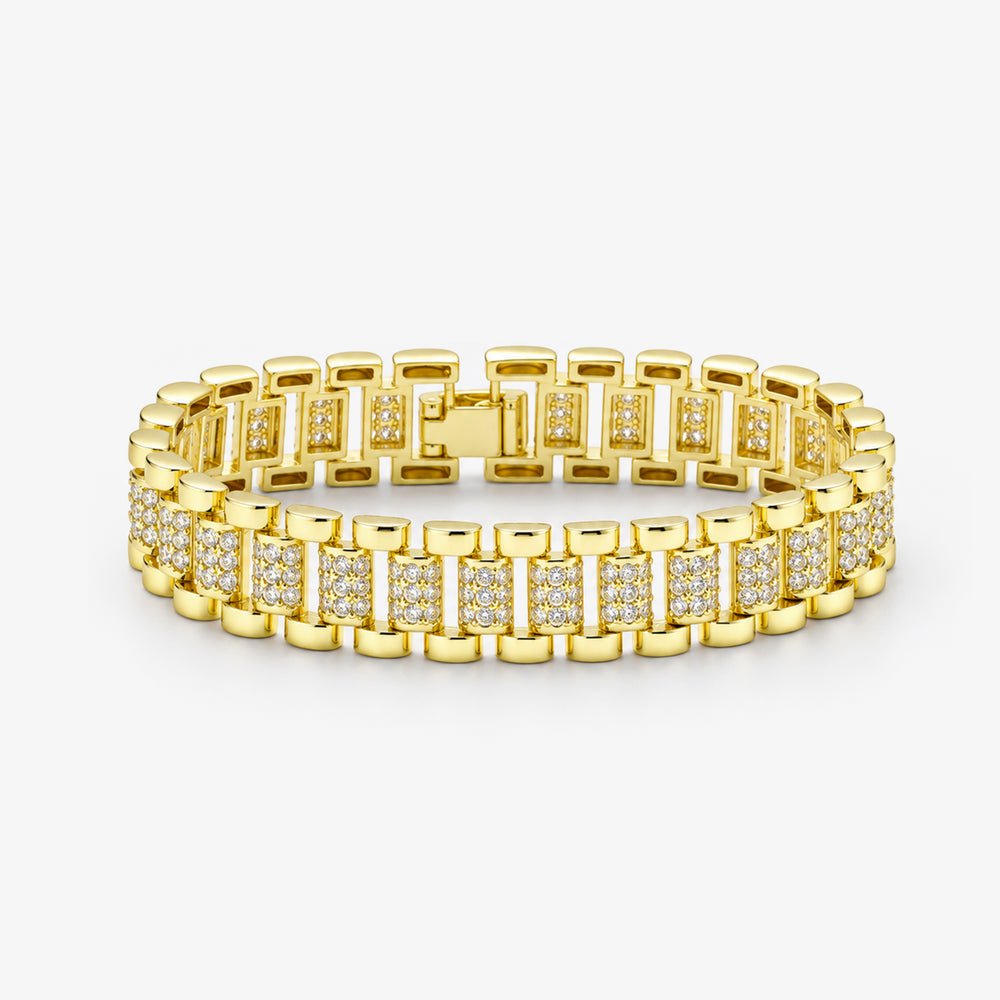
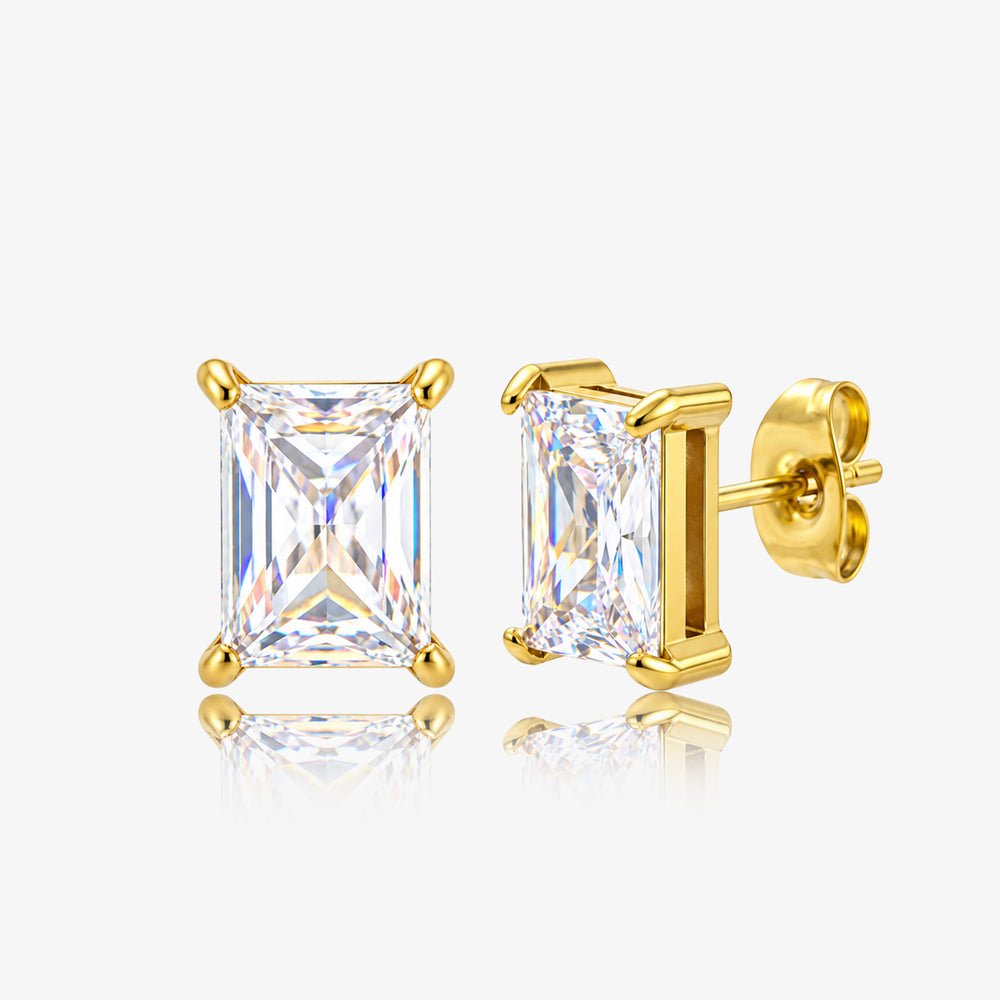
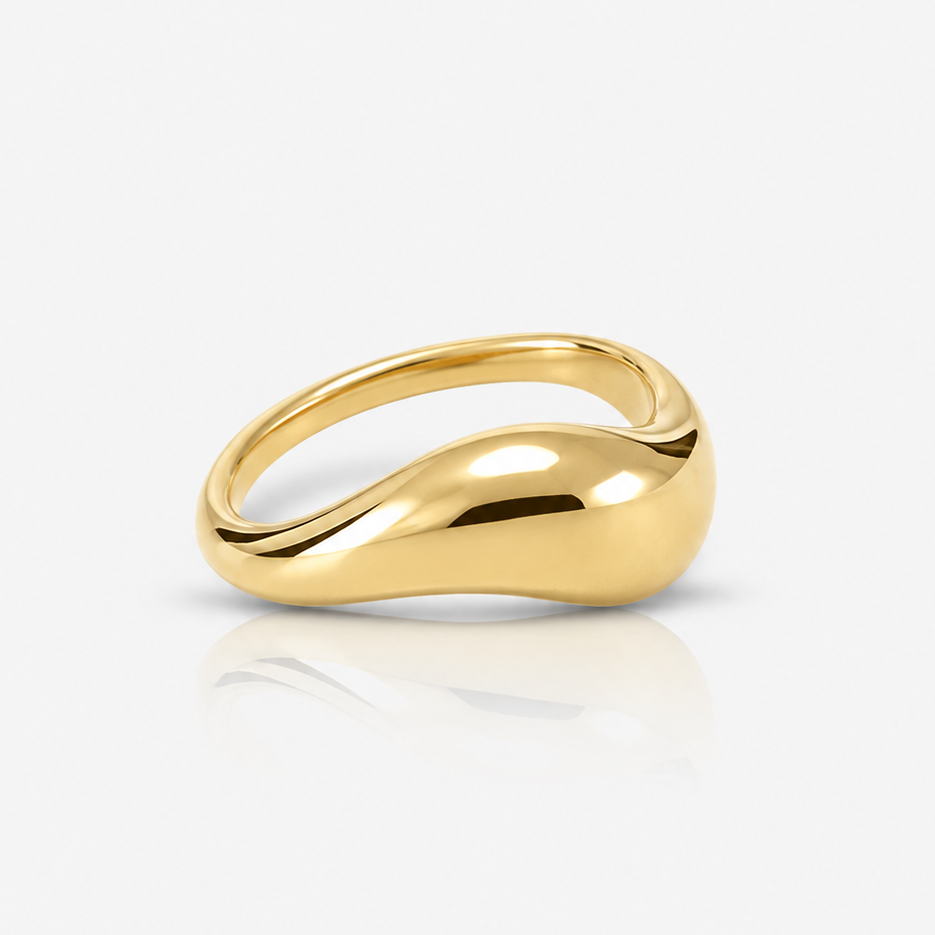
Images: Evry Jewels
| Piece | Style | Price (USD) |
|---|---|---|
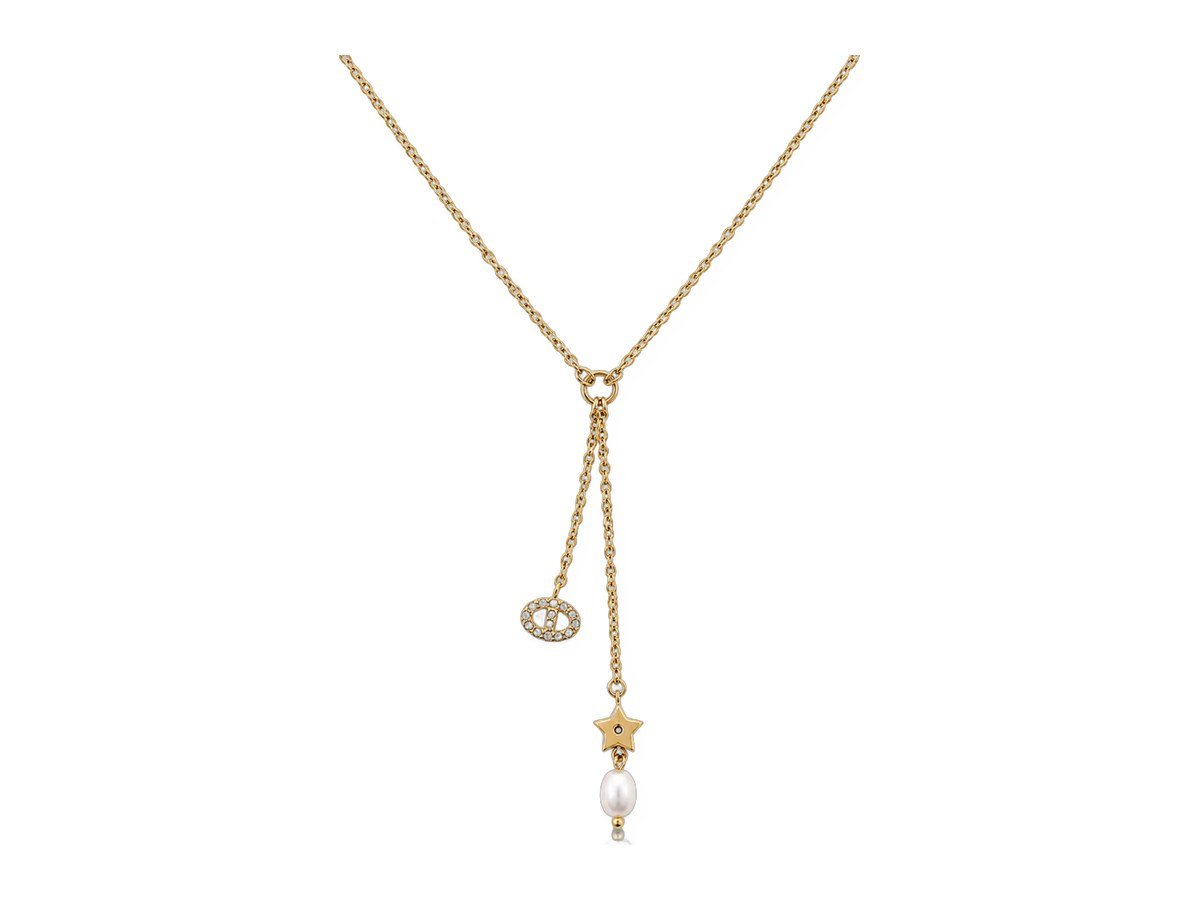
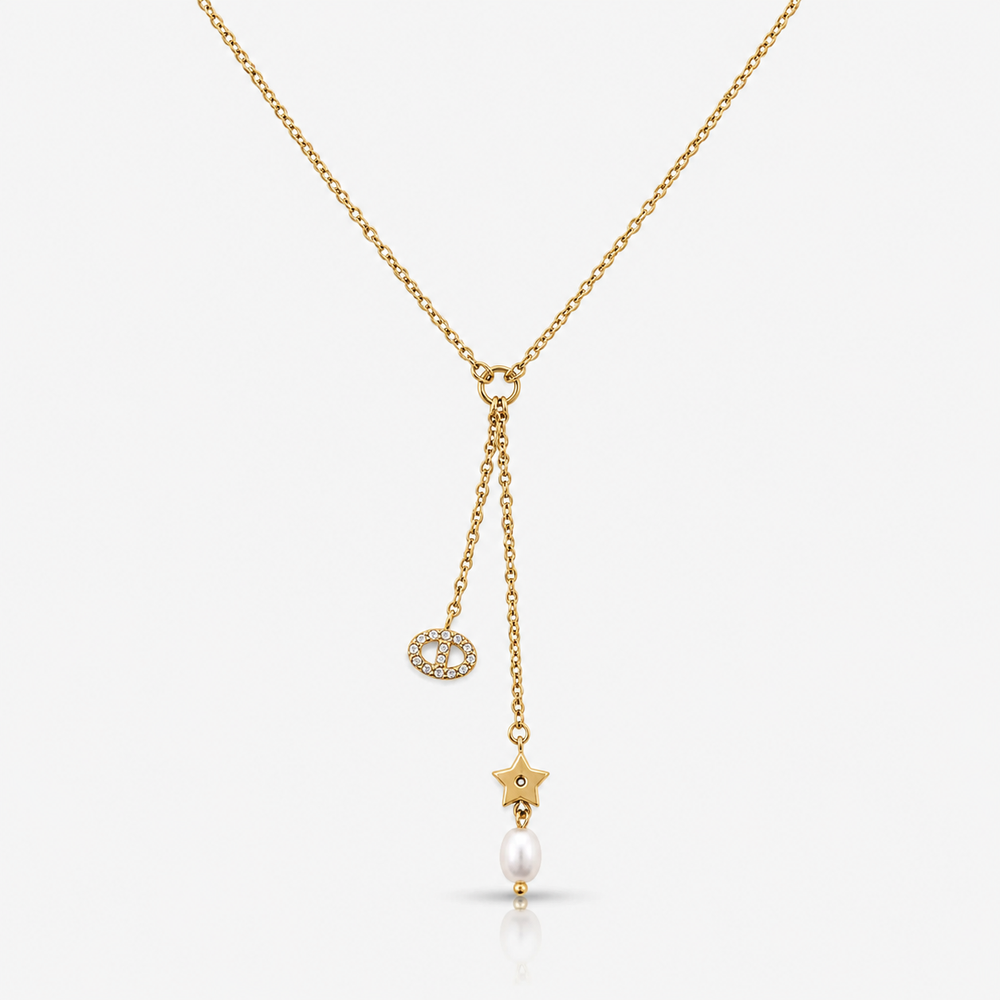
| Dolce Dynasty Necklace | Y-style lariat with pavé oval and star-and-pearl charms | $15.99 (listed from $23.99) |
| Billionaire Bracelet | Chunky gold link bracelet, 6″ + 1″ extender | $18.99 (listed from $27.99) |
| Square Cut Stud Earrings | Everyday studs | $9.99 |
| Main Squeeze Ring | Sculptural wave ring | $9.99 |
| Celestial Coin Necklace | Coin pendant | $6.99 |
When we checked, some product pages also showed an extra automatic discount at checkout, so the price you see in the basket may be lower than the listed price.
Things to know before ordering
- All sales are final. Evry Jewels’ refund policy states that all sales are final, so check ring sizes, chain lengths and finishes carefully before you order.
- Address changes: you have a 30-minute window after ordering to edit your shipping address.
- Shipping options available to your location are shown at checkout.
- Plating care still applies. Even with a waterproof finish, the care steps above will keep pieces looking newer for longer.
How to buy and save at Evry Jewels
- Use the code HELLO5 at checkout for 5% off.
- Check whether an automatic discount is already applied, and compare the final total with and without the code.
- Start with everyday basics (studs, a fine chain), then add a statement piece.
Enter HELLO5 in the discount field and confirm the total before paying, remembering that orders are final sale.
Shop Evry Jewels – code HELLO5 for 5% off
Sources (checked 13 November 2026): Evry Jewels product pages for the Dolce Dynasty Necklace, Billionaire Bracelet, Square Cut Stud Earrings, Main Squeeze Ring and Celestial Coin Necklace, including material and finish descriptions; Evry Jewels Shipping Policy and Refund Policy (evryjewels.com). General information on metal terms and nickel allergy reflects standard jewellery industry definitions and dermatology guidance.