
Disclosure: This guide contains one affiliate link and a discount code. If you buy through them, She Chooses Well may earn a commission at no extra cost to you. Prices were checked on the BeWell store on 13 November 2026 and are in USD. This guide is practical comfort advice, not medical advice; always follow your care team’s instructions.
If you or someone you love has an infusion, chemotherapy session or long hospital appointment coming up, “what should I wear?” can feel like a strangely big question. You may be sitting for hours in a room that is kept cool. A nurse needs to reach your arm, hand or chest. You might feel tired, sensitive to cold, or simply want to feel like yourself rather than a patient in a gown.
This guide brings together the practical clothing advice that nurses and patients share most often: how to dress for each kind of access point, how to stay warm without overheating, what to pack, and when it is worth investing in adaptive clothing designed for treatment days.
Start with one question: where will the nurse need access?
Everything else follows from this. Ask your care team before your first appointment which type of access you will have, because it changes what is comfortable and practical to wear.
Arm or hand IV, or a PICC line
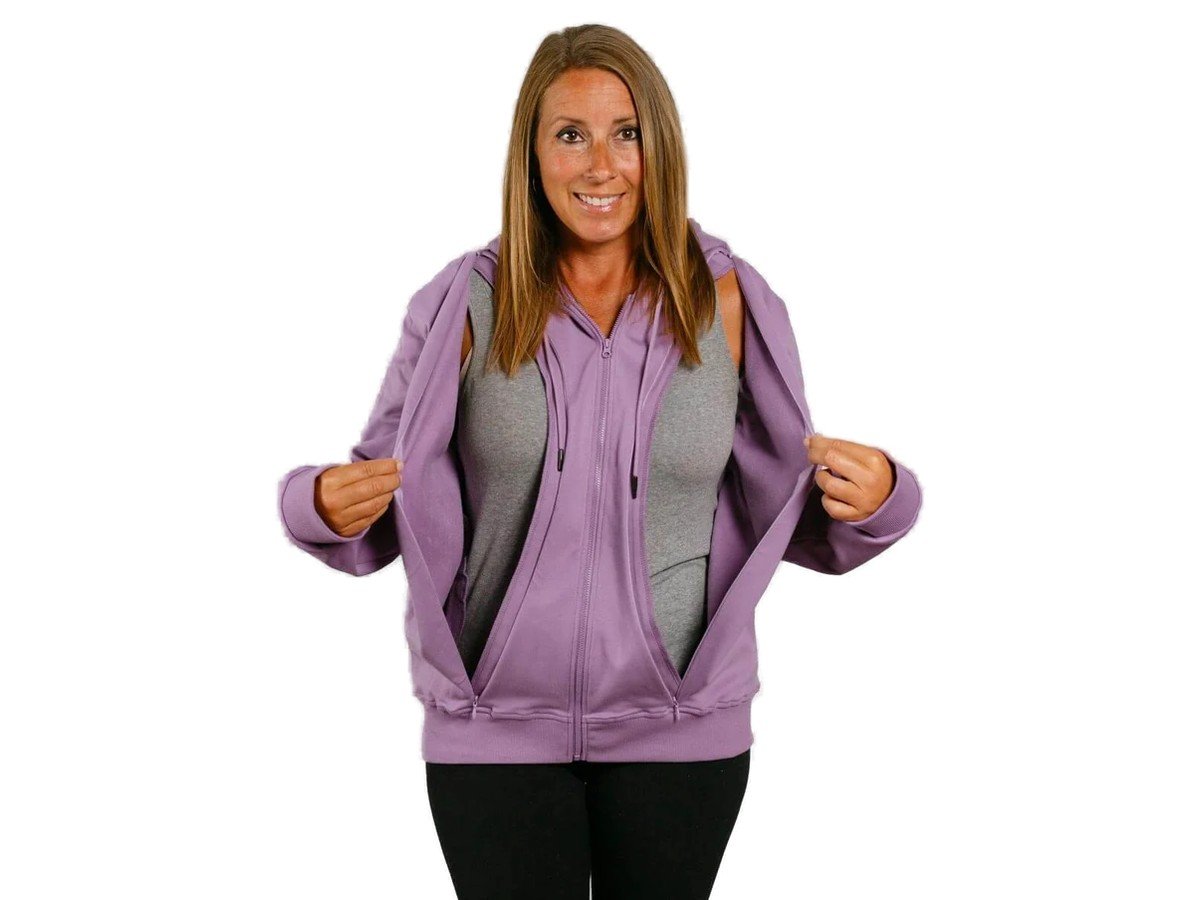
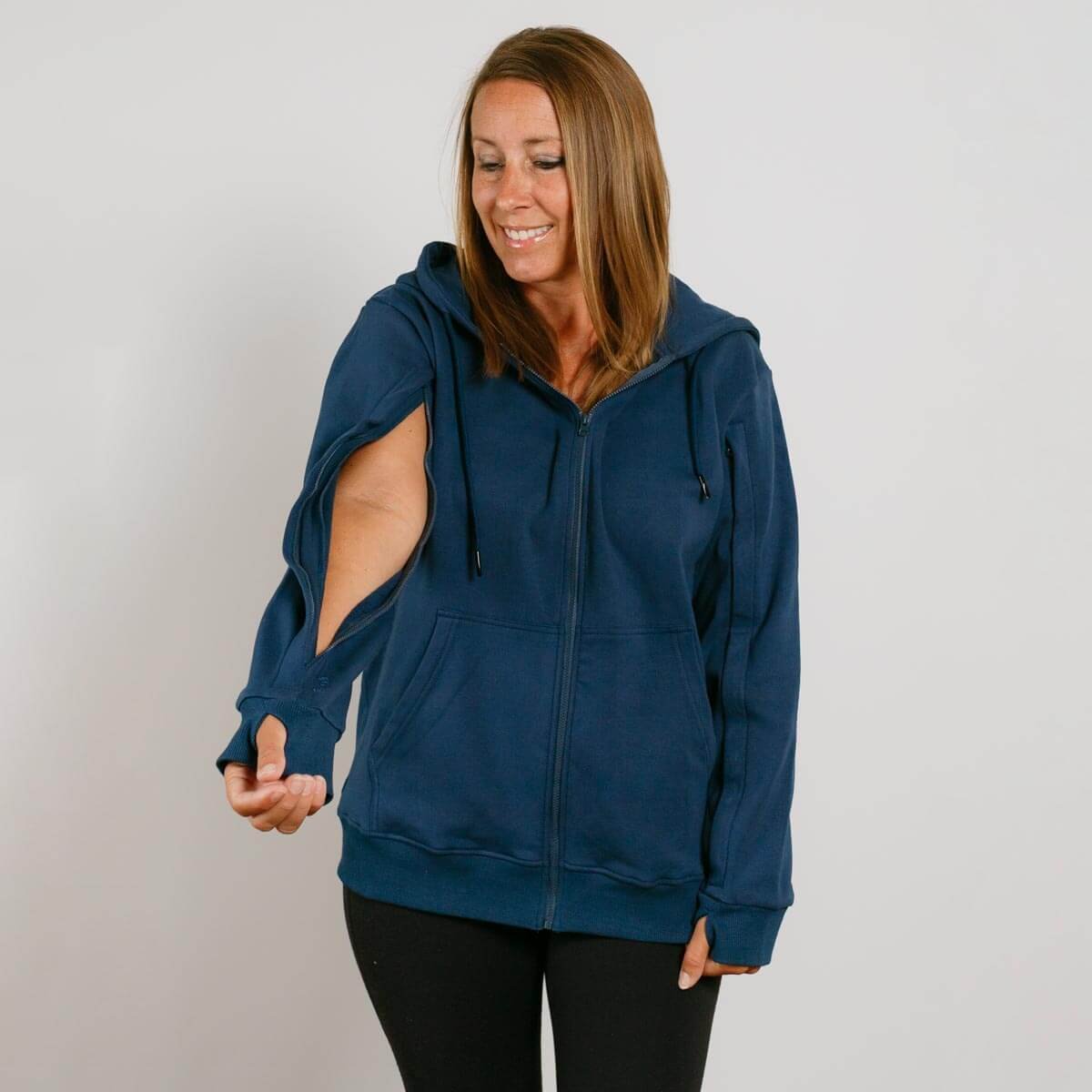
A peripheral IV usually goes into the hand or forearm, and a PICC line sits in the upper arm. The classic advice is short sleeves, or a top with loose sleeves you can push well above the elbow. The problem is that infusion rooms are often cold, so you end up with a cold arm or a jumper draped over your shoulders for hours. Tops with a zip running along the sleeve solve this: the nurse unzips to reach the line, then the sleeve zips back around the tubing so your arm stays covered.
Chest port
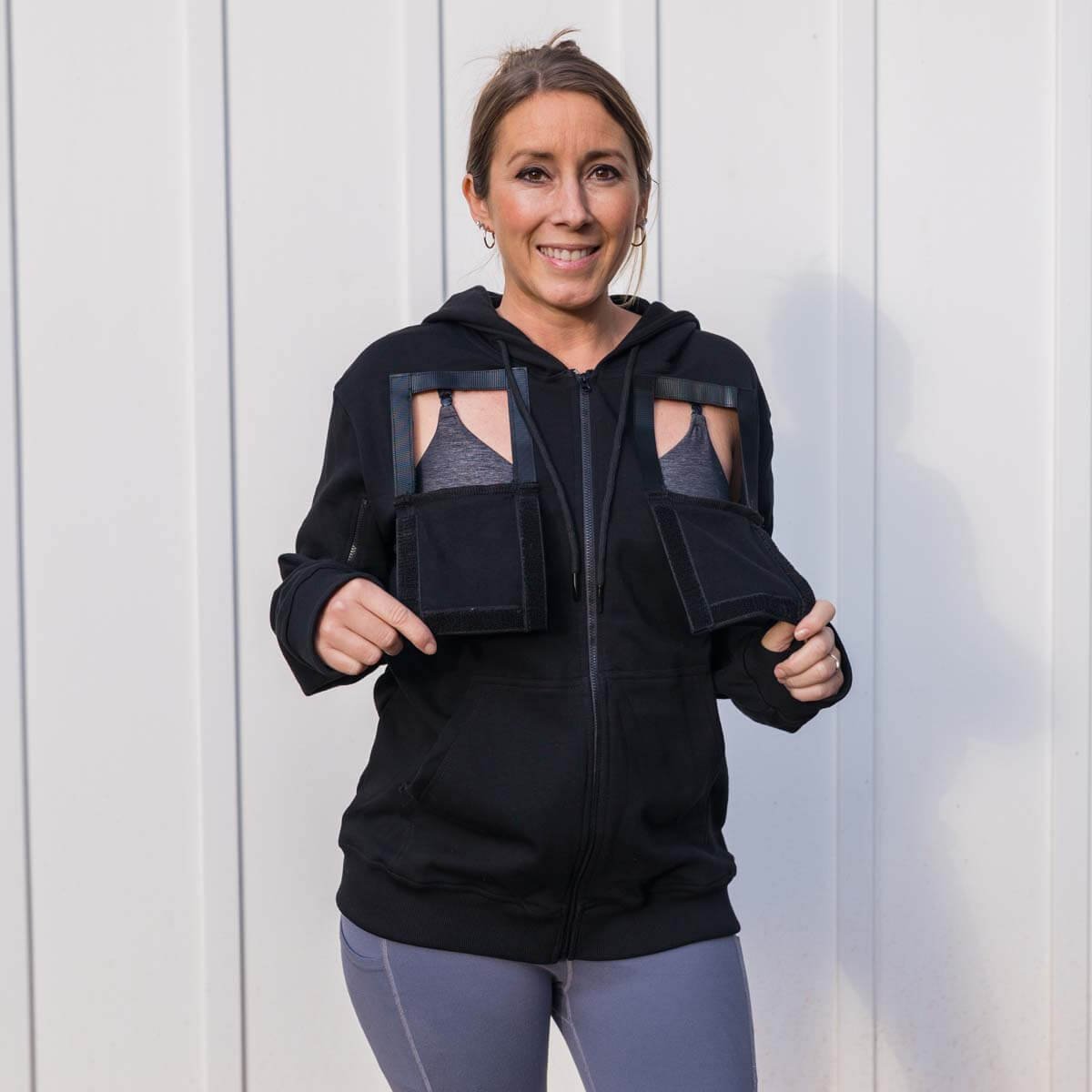
Implanted ports usually sit just below the collarbone. Button-front shirts, zip-front hoodies or tops with a wide or V neckline let the nurse reach the port without you lifting your top or changing into a gown. If you will be in the chair for a long time, a top with a dedicated opening over the port area keeps the rest of you covered and warm.
Thigh access and injections
For thigh injections or subcutaneous infusions, loose pants you can roll up, or pants with zips over the thigh, avoid having to undress or wear shorts in a cold room.
Scans
For MRI scans, metal must be removed, which is why you are often asked to change into a gown. Metal-free clothing (no zips, underwire, snaps, sequins or metallic threads) may let you stay in your own clothes for some scans. Always check with the imaging team, who will make the final call.
Staying warm, comfortably
- Layer up. A breathable base, a soft top and a warm outer layer you can remove. Treatment rooms can feel cold, but you might also get hot flushes or feel warm under a blanket.
- Bring a blanket. Many centres provide one, but your own soft blanket is warmer and more comforting.
- Warm feet. Thick socks with grip soles are useful in cold rooms and on slippery hospital floors.
- Cold sensitivity. Some chemotherapy drugs, such as oxaliplatin, can make you very sensitive to cold. If your team mentions this, gloves, a scarf and warm drinks become important.
Comfort and skin
Treatment can leave skin dry, sensitive or itchy, and some people experience swelling or weight changes. Choose soft, breathable fabrics, avoid scratchy seams and tight waistbands, and favour stretch over structure. Elastic or drawstring waists are more comfortable for long periods of sitting. Slip-on shoes are easier when you are tired.
A treatment-day packing list
| Bring | Why |
|---|---|
| An extra warm layer and a blanket | Rooms are often kept cool and sessions can last hours. |
| Grippy socks or slippers | Warm feet and safer walking to the bathroom with an IV pole. |
| Water bottle and snacks | Check with your team about what is allowed during treatment. |
| Lip balm and unscented moisturiser | Hospital air is dry. |
| Phone, long charging cable, headphones | Sockets are rarely next to the chair. |
| Medication list and a small pill organiser | Keeps track of anti-nausea and other medicines. |
| Something to do | A book, a downloaded show, a journal, or a puzzle. |
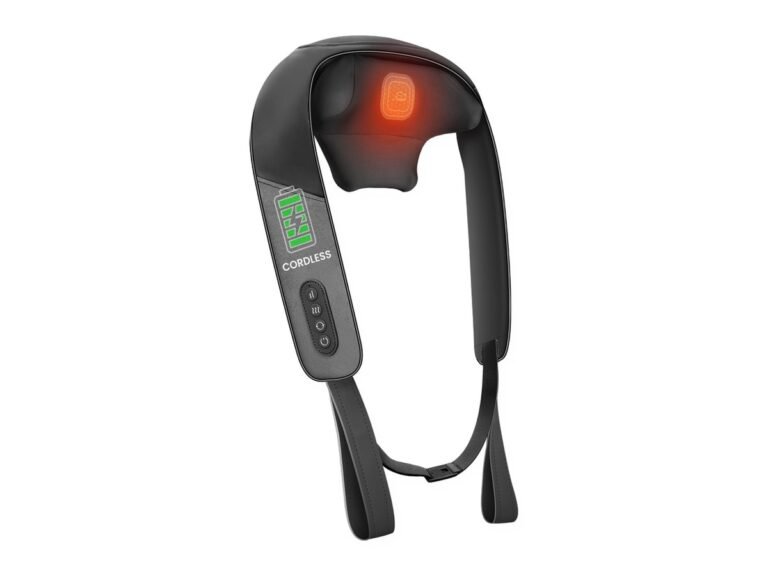
Rest matters on treatment days and in between. Our evening wind-down routine has gentle, practical ideas for better sleep, and our guide to choosing a massager covers options for sore muscles (check with your care team before using massage near a port, line or treatment area).
Dressing for different kinds of treatment
Dialysis
Haemodialysis sessions often last several hours, several times a week, through a fistula or graft in the arm or a central line in the chest. That makes sleeve access and warmth a constant issue rather than an occasional one. Many people keep a dedicated “dialysis outfit”: a top with easy arm access on the fistula side, a warm layer, soft pants and grippy socks. Never wear anything tight on the fistula arm, including tight sleeves, watches or bracelets.
Longer hospital stays
For overnight or multi-day stays, think in sets: two or three soft, easy-access tops, loose pants with an elastic waist, a cardigan or hoodie for walks on the ward, non-slip socks, and a robe if you like one. Front-opening tops make it easier for staff to check lines, monitors and dressings without you having to change completely, and they are easier to put on if your movement is limited after a procedure.
Self-injections at home
If you inject into your thigh or abdomen at home, loose lounge pants or joggers with an easy waistband make the routine quicker. Keep a clean, comfortable “injection day” outfit near where you store your supplies so the routine feels less clinical.
The days after treatment
Clothing matters on recovery days too. Fatigue, nausea, feeling cold and sensitive skin can last a day or more after a session. Keep the softest things you own within reach, choose pieces you can get into without lifting your arms high, and do not underestimate how much a warm, familiar hoodie can help you feel like yourself. If you have lost hair, a soft cotton or bamboo cap is often more comfortable for sleeping than a wool hat.
Gifts that actually help someone in treatment
When someone you love is starting treatment, it is natural to want to send something. Practical comfort gifts are often the most appreciated:
- Warm, easy-access clothing that suits their access point (ask them or their partner discreetly).
- A soft blanket and grippy socks for the treatment chair.
- A good water bottle, unscented lip balm and hand cream.
- A long phone charging cable and a pair of comfortable headphones.
- Your time: a lift to appointments, a cooked meal, or simply sitting with them for a session.
When adaptive clothing is worth it
You can absolutely manage with clothes you already own. Adaptive clothing earns its place if you have regular, long sessions, if you are always cold in the treatment room, or if you simply want to stay covered and dignified rather than half-undressed. It also makes a thoughtful gift, because it is practical rather than another bunch of flowers.
BeWell: adaptive clothing designed by a patient
BeWell was founded by Amanda Phillips, who was diagnosed with Crohn’s disease at 17. She began designing the first product, the IV Zip Hoodie, from a hospital bed in 2022, and named the brand after her GI doctor’s habit of saying “be well” instead of goodbye. The US-based company now makes a range of adaptive hoodies, joggers and comfort items for infusions, chemotherapy, ports and PICC lines, dialysis, injections and scans. The brand says its adaptive access designs are patent-protected.
| Your access | BeWell option | Design (per BeWell) | Price |
|---|---|---|---|
| Arm IV or PICC | IV Zip Hoodie | Discreet arm zippers; soft midweight fabric. The brand’s most-loved product. | $79 (was on sale from $69 when checked) |
| Arm IV, always cold | Sherpa IV Zip Hoodie | Same arm zippers in plush sherpa. | $79 |
| Arm IV, run warm | Bamboo IV Zip Hoodie | Lightweight bamboo fabric for warmer rooms. | $79 |
| Chest port + arm IV | Port IV Zip Hoodie | Velcro chest flaps on both sides plus arm zippers. | $89 |
| Several lines or devices | Multi-Access Hoodie | Openings for ports, IVs, PICC lines, heart monitors, feeding tubes, drains and ostomies. | $89 |
| Scans | IV Scan Hoodie | Metal-free velcro arm openings, described as MRI and CT safe. | $79 |
| Thigh access | Injection Joggers | Thigh zippers for self-injections and subcutaneous infusions. | $69 |
| Comfort extras | Rest Day Socks (3 pairs) · Infusion Day Blanket · One Day Pill Holder | Grip-sole socks; soft treatment-day blanket; daily pill holder. | $22 · $55 · $12 |
| For the supporter | Caregiver Crewneck | Non-adaptive crewneck in the same soft lined fabric. | $49 |
What we like
- Designed around real treatment problems. Zips are placed for specific access points, and the brand says zippers are lined so metal does not touch your skin.
- Options for different temperatures. Sherpa for people who are always cold, bamboo for people who run hot.
- A wide size range. Sizes run from XXS to 5XL on the products we checked, and there is a youth line.
- Strong customer ratings. The brand shows 4.8 stars from over 1,600 reviews on its own site, with the IV Zip Hoodie at 4.8 from more than 800 reviews (checked 13 November 2026). These are hosted by the brand rather than an independent platform; recurring comments are about warmth and nurses finding access easier.
- HSA/FSA eligible through Truemed, and gift bundles at 15% off.
Things to know
- Prices are higher than ordinary hoodies. You are paying for the adaptive design. If your sessions are short or occasional, a loose short-sleeved top plus your own cardigan may be enough.
- Delivery time. Standard US shipping is 7–9 business days ($9.95, free over $150). Choose Priority (3–5 days, $16.95) if your next appointment is soon. International shipping is limited to a handful of countries, including Canada, Australia and Germany.
- Return conditions. Returns are accepted within 30 days for unworn, unwashed items with tags attached, US only, and the return label cost is deducted from your refund. Try it on at home before wearing it to treatment.
- Check scans with your imaging team. Even metal-free clothing is ultimately the imaging team’s decision.
How to buy BeWell and save
- Use the code HAPPYSAVE at checkout for 10% off.
- Match the product to the access point using the table above. If you are unsure, the Multi-Access Hoodie covers the most situations.
- Gifting? Compare HAPPYSAVE with the 15% gift bundles, and if the order is close to $150, adding socks or a pill holder can unlock free shipping.
- Using HSA/FSA funds through the Truemed option at checkout may reduce the cost further, depending on your plan.
Enter HAPPYSAVE in the discount field and check the 10% is applied before you pay.
Shop BeWell – code HAPPYSAVE for 10% off
Sources
- National Cancer Institute. Chemotherapy and You: Support for People with Cancer.
- American Cancer Society. Getting chemotherapy: what to expect.
- BeWell product pages, About page, shipping and returns policies (wearebewell.com), checked 13 November 2026.