

Disclosure: This guide contains one affiliate link and a discount code. If you buy through them, She Chooses Well may earn a commission at no extra cost to you. Prices were checked on the Nio Teas store on 13 November 2026 and are shown in approximate USD; the store displays your local currency.
If your experience of green tea is a bitter, yellowish cup from a supermarket tea bag, Japanese loose-leaf tea will taste like a different drink. Good sencha is sweet, grassy and savoury. Gyokuro can taste almost like a light broth. Matcha, whisked properly, is creamy rather than harsh. Most of the bitterness people associate with green tea comes from two fixable things: water that is too hot and leaves steeped too long.
This guide explains the main types of Japanese green tea, what makes each one different, how to brew them without bitterness, how much caffeine to expect, and how to buy and store loose-leaf tea so it stays fresh. If you’re building a calmer afternoon or morning ritual, it’s one of the easiest upgrades you can make.
The main types of Japanese green tea
| Tea | How it’s made | Taste | Good for |
|---|---|---|---|
| Sencha | Sun-grown leaves, steamed, rolled and dried. The everyday tea of Japan. | Grassy, fresh, gently sweet with light astringency | Daily drinking; the best starting point |
| Fukamushi sencha | Sencha steamed for longer, so leaves are finer | Deeper green colour, fuller body, less astringent | People who find regular sencha too sharp |
| Shincha | The first harvest of the year, sold fresh in spring | Especially bright, sweet and aromatic | A seasonal treat |
| Gyokuro | Shaded for weeks before harvest | Rich umami, sweet, savoury, low bitterness when brewed cool | Slow sipping; special occasions |
| Matcha | Shaded leaves ground into a fine powder and whisked into water | Creamy, vegetal, sweet-bitter depending on grade | Morning focus; lattes |
| Hojicha | Green tea roasted until brown | Toasty, nutty, low bitterness | Evenings; people who want less caffeine |
| Genmaicha | Green tea blended with toasted rice | Nutty, savoury, comforting | With meals; beginners |
Why shading changes everything
The biggest flavour split in Japanese tea is between sun-grown and shade-grown leaves. When tea plants are covered for several weeks before harvest, the leaves keep more L-theanine (an amino acid linked to savoury, umami flavour) and produce fewer of the compounds that make tea astringent. That’s why gyokuro and matcha taste sweeter and more savoury than sencha.
Shading also tends to raise caffeine. So the teas that taste the gentlest are not necessarily the lowest in caffeine.
Where your tea comes from matters
Japan’s tea regions each have a recognisable style. Shizuoka is the largest producing area and is known for classic sencha. Kagoshima, in the warm south, harvests early and produces many deep-steamed and shaded teas with a full, sweet body. Uji, near Kyoto, is historically famous for matcha and gyokuro. Yame in Fukuoka is known for high-grade gyokuro. Island regions such as Yakushima and Tanegashima are among the first to harvest each spring. You’ll also see cultivar names such as Yabukita, Saemidori or Okumidori on labels: these are tea plant varieties, a bit like grape varieties in wine, and each has its own flavour profile. Saemidori, for example, is often described as sweet and mellow, while Yabukita is the classic, balanced Japanese cultivar.
Caffeine: what to expect
Caffeine in tea varies widely with the leaf, the amount you use and how long you steep, so ranges are more honest than single numbers. As a general guide:
- Sencha usually has less caffeine per cup than coffee.
- Gyokuro and matcha are typically the highest-caffeine Japanese teas. With matcha you drink the whole leaf, so a strong bowl can approach a small coffee.
- Hojicha, kukicha (stem tea) and genmaicha are generally lower, which makes them better choices later in the day.
Many people find that green tea feels “smoother” than coffee. L-theanine is often credited for this, though individual responses vary. If you’re sensitive to caffeine or pregnant, it’s still caffeine: keep track of your total intake.
How to brew Japanese green tea without bitterness
Three variables control the cup: water temperature, steep time and leaf-to-water ratio. Japanese green teas want much cooler water than black tea. Boiling water extracts bitterness quickly.
Sencha
- Use about 5 g of leaves (roughly 2 level teaspoons) for 150–200 ml of water.
- Let boiled water cool to around 60–80°C. Pouring it into your cups first, then into the teapot, cools it quickly and warms the cups.
- Steep for roughly 45–60 seconds. Deep-steamed (fukamushi) sencha needs less time. For example, Nio Teas suggests 45 seconds at 60°C for one of its deep-steamed senchas.
- Pour out every last drop, then re-steep the same leaves two or three times for around 20 seconds each, slightly hotter each time.
Gyokuro
- Use a little more leaf and less water: about 5 g for 60–100 ml.
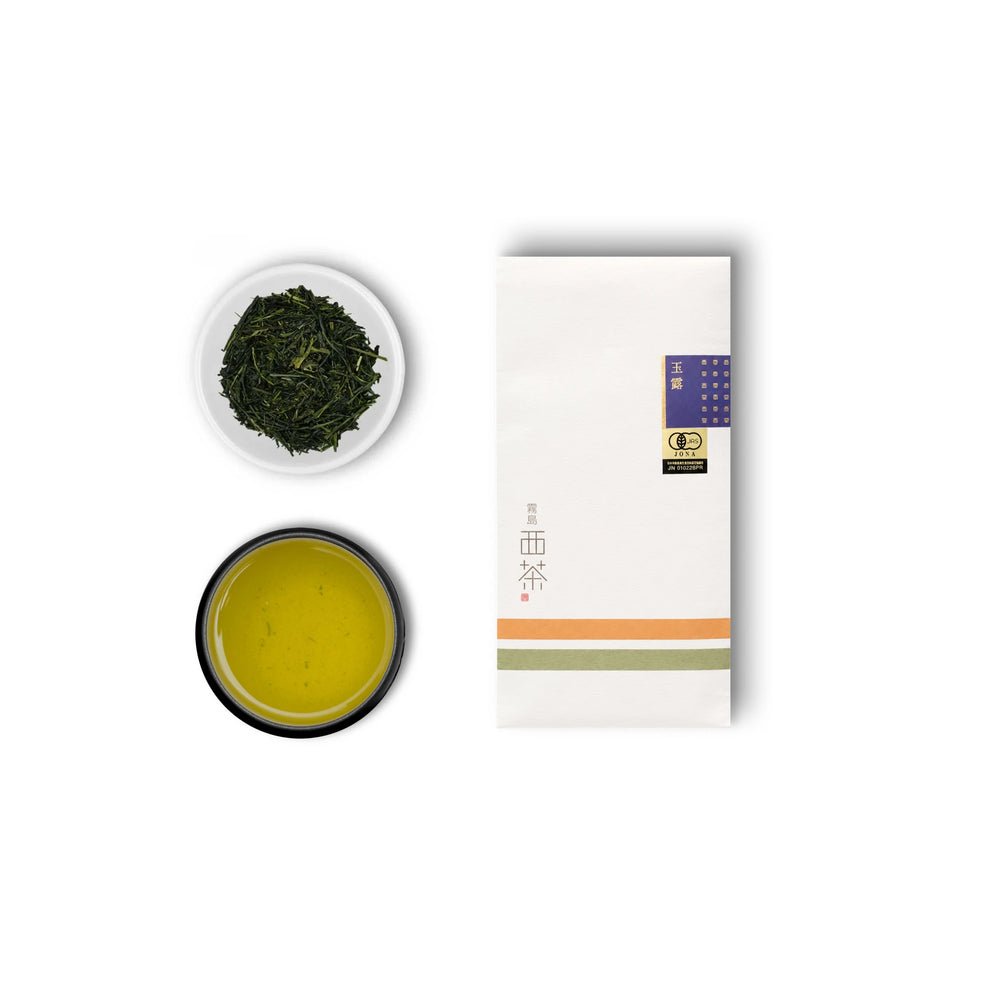
- Brew cool, around 50–60°C. Nio Teas suggests 2 minutes at 60°C for one of its gyokuro teas.
- Sip slowly. The first infusion is small and concentrated; later infusions are lighter and more refreshing.
Matcha
- Sift about 1–2 g (½–1 teaspoon) into a bowl to remove lumps.
- Add a small splash of water around 70–80°C and make a smooth paste.
- Add about 60–80 ml more water and whisk briskly in a zigzag motion with a bamboo whisk until a fine foam forms.
- Drink straight away. For a latte, whisk the matcha with a little water first, then add warm milk.
Ceremonial vs culinary vs latte matcha
Matcha grades aren’t standardised, so treat labels as a guide rather than a guarantee. In general:
- Ceremonial-style matcha is made from younger leaves, is brighter green, smoother and meant to be drunk with water alone.
- Latte or premium everyday matcha is bolder and slightly more bitter, which stands up well to milk.
- Culinary matcha is for baking and smoothies, where colour and price matter more than delicacy.
A dull, yellow-green colour usually signals older or lower-quality matcha. Good matcha should look vivid green.
Cold-brewed green tea: the easiest method of all
If hot brewing feels fussy, cold brewing is almost foolproof and very forgiving. Put about 10 g of sencha or gyokuro in a 1-litre jug of cold filtered water, leave it in the fridge for three to six hours, then strain. Because cold water extracts bitterness slowly, the result is naturally sweet and smooth, with noticeable umami. Cold-brewed tea generally has less caffeine than the same leaves brewed hot, which makes it a good afternoon option. Drink it within a day or two for the best flavour.
Six beginner mistakes that make green tea taste bad
- Boiling water. The single biggest cause of bitter green tea. Let the kettle rest, or use a temperature-control kettle.
- Steeping like black tea. Three to five minutes is far too long for most Japanese green teas. Think seconds, not minutes, for sencha.
- Leaving the leaves sitting in water. Pour every drop out after each infusion so the leaves don’t keep stewing.
- Too little leaf. Loose-leaf tea needs more leaf than people expect. Weak, watery tea often leads people to steep longer, which only adds bitterness.
- Old tea. A bag opened a year ago won’t taste like the description. Buy smaller amounts more often.
- Judging it after one cup. The second and third infusions of good sencha often taste completely different from the first. Give the leaves a chance.
What to eat with Japanese green tea
Green tea is traditionally drunk with lightly sweet snacks that balance its vegetal notes. Simple pairings to try at home: sencha with rice crackers or roasted nuts; gyokuro with a small piece of plain dark chocolate or dried apricot; matcha with shortbread or mochi; hojicha with cheesecake or anything caramel. Many people also find green tea a pleasant alternative to a mid-afternoon sweet drink, which makes it a small, easy wellness habit rather than a chore.
Buying and storing loose-leaf tea
- Buy small. Green tea loses aroma faster than black tea. Packs of 30–100 g are easier to finish while fresh.
- Check the harvest year, especially for sencha and shincha.
- Store airtight, dark and cool. Keep tea away from light, heat, moisture and strong smells (green tea absorbs them). Opened matcha keeps best in a sealed tin in the fridge, brought to room temperature before opening to avoid condensation.
- Use your senses. Fresh green tea smells sweet and grassy. If it smells like hay or nothing at all, it’s past its best.
Gear: what you actually need
You don’t need a full tea set to start. A small teapot with a fine strainer (or a mug with a mesh infuser), a kettle you can let cool, and a timer are enough for sencha and gyokuro. For matcha, a bamboo whisk makes a noticeable difference to texture; a small sieve helps avoid lumps. A kyusu (Japanese side-handle teapot) is lovely but optional.
Where to start: Nio Teas
Nio Teas sells Japanese green teas sourced from regions such as Kagoshima, Yakushima and Uji, along with matcha and teaware. Many of its teas are labelled JAS Organic, and product pages include tasting notes across several brewings, which is helpful when you’re still learning what you like. Here are a few useful starting points, with prices converted to approximate USD:
| Tea | Type | Size | Approx. price |
|---|---|---|---|
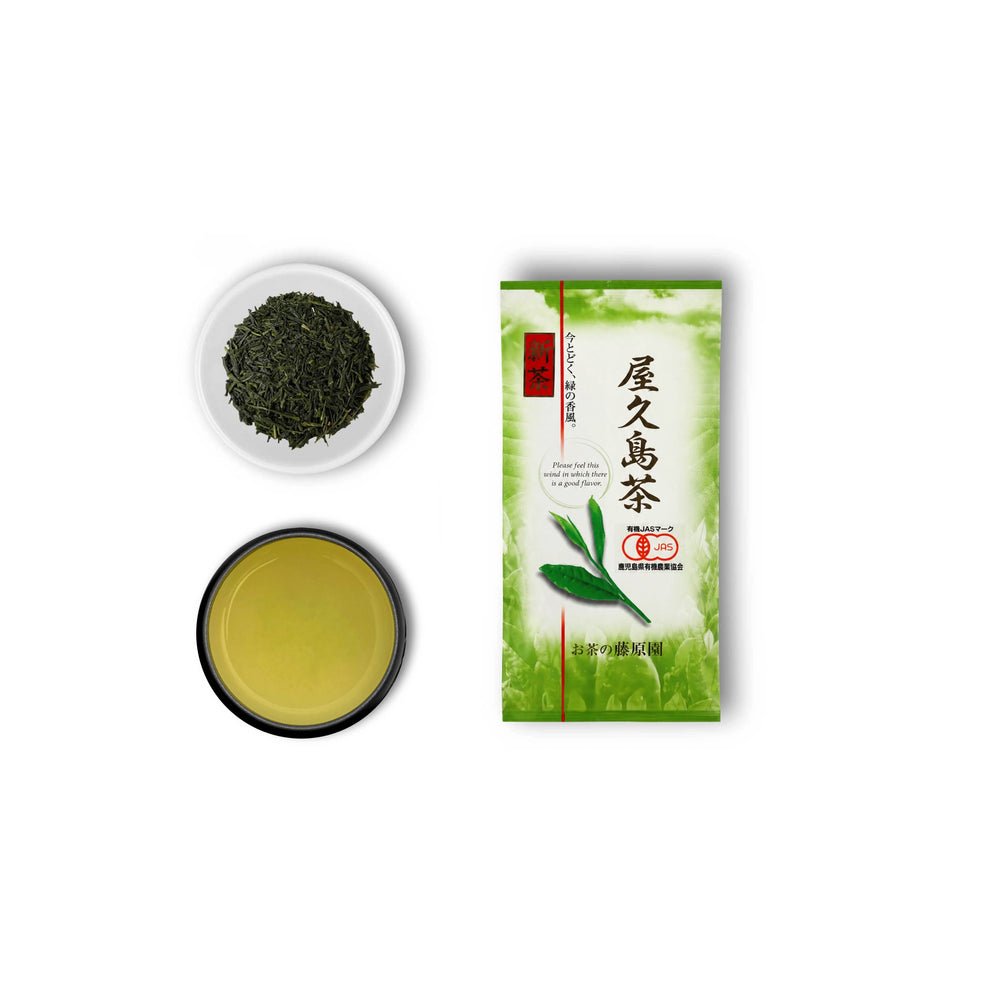
| Shincha Yakushima Yabukita 2026 | Sencha (first harvest) | 80 g | ~$19.50 |
| Nishi Gyokuro | Gyokuro | 50 g | ~$30.60 |
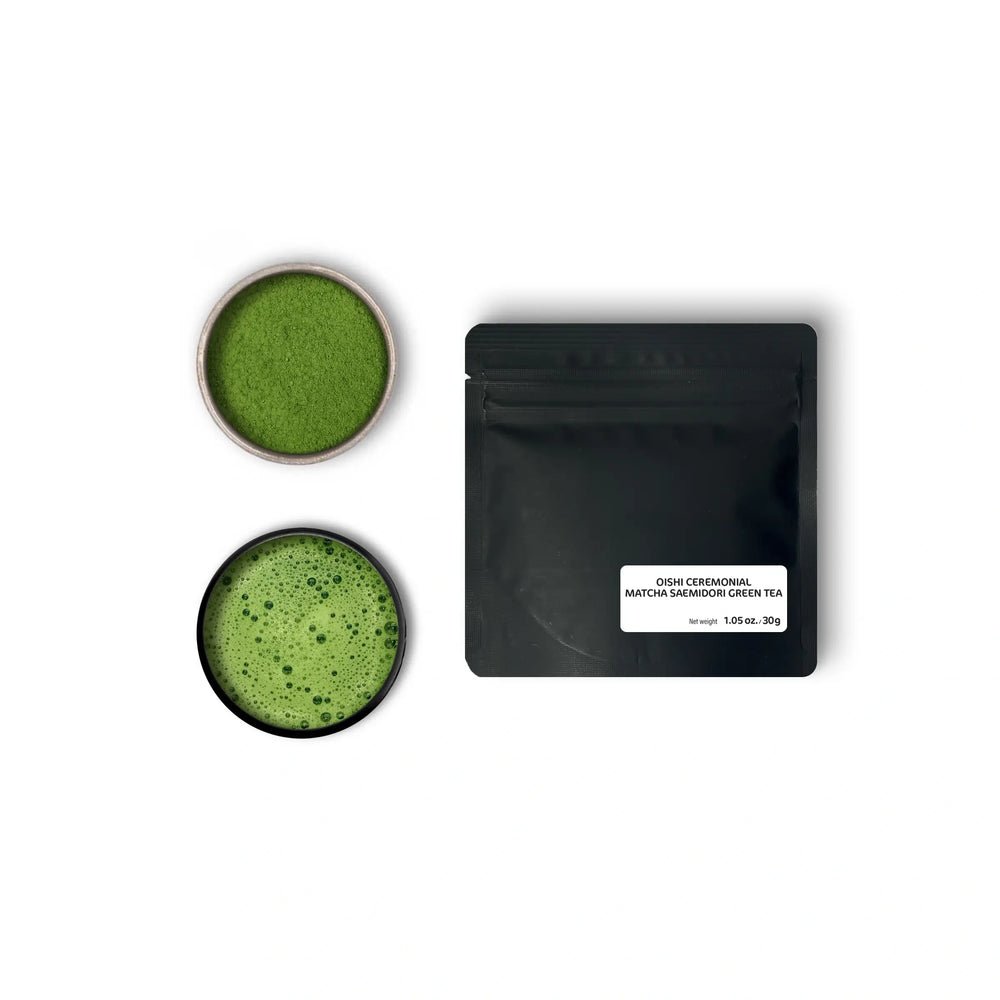
| Oishi Ceremonial Matcha Saemidori | Matcha | 30 g | ~$15.00 |
| Latte Matcha | Matcha for milk drinks | 30 g | ~$8.90 |
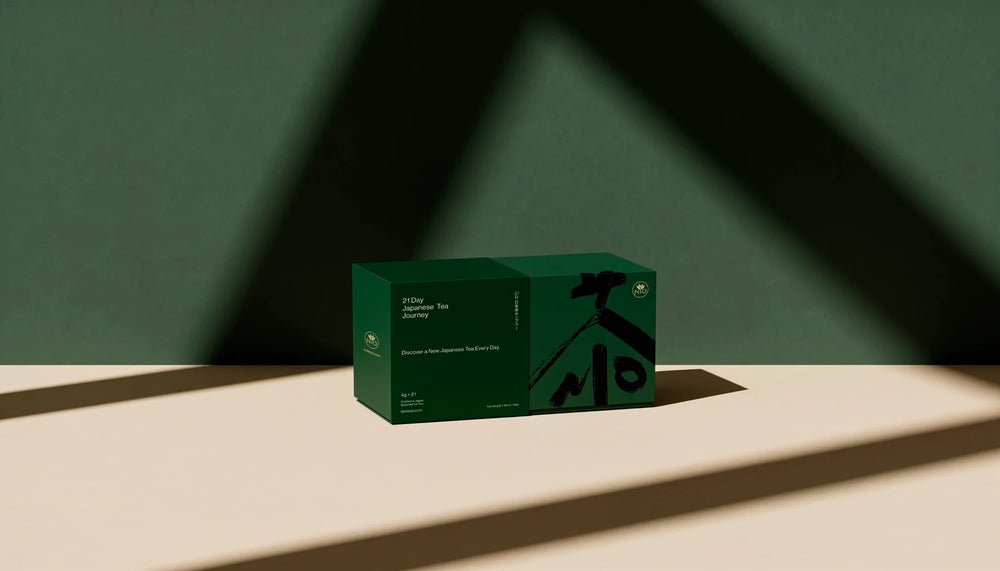
| 21 Day Japanese Tea Journey | Sampler of different teas | Multiple 5 g packs | ~$89.00 |
Nio Teas describes the Yakushima Yabukita shincha as well balanced, with sweetness, soft umami and a light nutty note that turns fresher and more citrusy in the second brewing. That kind of multi-infusion note is exactly what makes Japanese tea worth brewing more than once.
Good to know before ordering
- Free shipping thresholds: orders over USD 54.99 (US and international), EUR 54.99 (Eurozone) or GBP 44.99 (UK) ship free; below that, a flat rate is shown at checkout. Orders ship from warehouses in the US, Europe or Japan depending on your location.
- Returns are limited: Nio Teas accepts return and refund requests within 30 days of delivery if items arrive damaged, defective or incorrect. Other reasons are reviewed case by case. Because tea is a food product, choose carefully rather than planning to return.
- Samplers are the safest start. If you don’t yet know whether you prefer sencha, gyokuro or roasted teas, a sampler lets you find out before buying full bags.
How to buy and save at Nio Teas
- Use the code HAPPYSAVE at checkout for 10% off.
- Combine to reach free shipping. One sencha plus one matcha usually gets close to the threshold.
- Start with one of each style (a sencha, a matcha and, if you like savoury flavours, a gyokuro) and reorder only what you love.
Enter HAPPYSAVE in the discount field before paying, and check the order summary to confirm the discount applied.
Shop Nio Teas – code HAPPYSAVE for 10% off
Sources (checked 13 November 2026): Nio Teas product pages for Shincha Yakushima Yabukita 2026, Nishi Gyokuro, Oishi Ceremonial Matcha Saemidori, Latte Matcha and 21 Day Japanese Tea Journey, including brewing suggestions; Nio Teas Shipping Policy and Refund Policy (nioteas.com). General brewing ranges reflect common Japanese tea preparation guidance.